Maximise Efficiency & Reduce Energy Costs with Thermal Insulation
Tuesday 10th February 2026
As energy prices continue to rise and sustainability targets become more ambitious, heat recovery systems are playing an increasingly important role in modern buildings and industrial processes.
By capturing and reusing waste heat that would otherwise be lost, these systems significantly improve energy efficiency, lower operating costs and reduce carbon emissions. However, to unlock their full potential, effective thermal insulation is essential. The market offers premium solutions, such as K-Flex pipe insulation, which support the critical components of any heat recovery strategy.
What Are Heat Recovery Systems?
Heat recovery systems are designed to reclaim thermal energy from exhaust air, wastewater, or industrial processes and reuse it for space heating, hot water production, or process preheating. Common applications include ventilation heat recovery in commercial buildings, heat exchangers in manufacturing facilities, and energy recovery units in HVAC systems.
By recycling heat that has already been generated, business and homeowners can reduce reliance on primary energy sources. The result is improved system efficiency, lower energy bills, and enhanced environmental performance—all without compromising comfort or productivity.
Why Insulation Matters in Heat Recovery
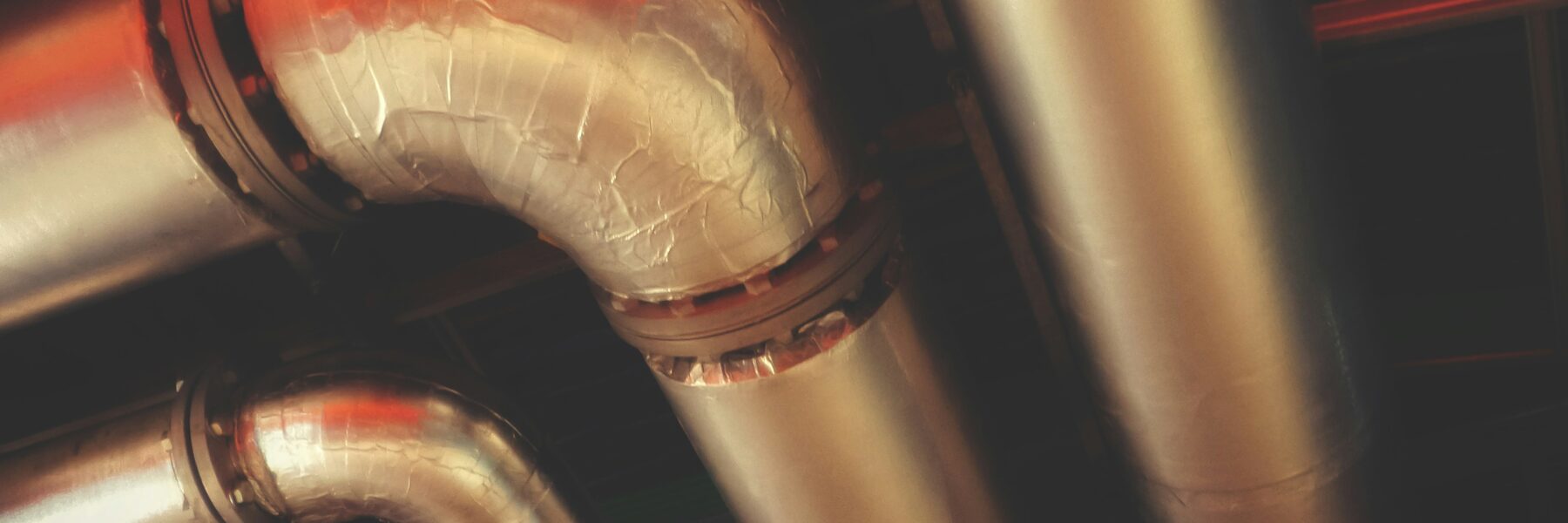
While the core technology of a heat recovery system is vital, its performance can be severely undermined by heat loss along pipework and distribution networks. Uninsulated or poorly insulated pipes allow valuable recovered heat to dissipate before it reaches its intended destination, reducing overall system effectiveness.
High quality pipe insulation ensures that recovered heat is retained, transported efficiently, and delivered at the required temperature. It also helps prevent condensation, protects equipment, and supports long term system reliability.
Supporting Sustainability and Compliance
With stricter building regulations and growing pressure to reduce carbon footprints, combining heat recovery systems with high performance insulation is no longer optional—it is essential. K Flex insulation helps systems meet energy efficiency standards while contributing to wider sustainability goals by reducing energy waste and emissions over the life of the installation.
The Role of K Flex Pipe Insulation
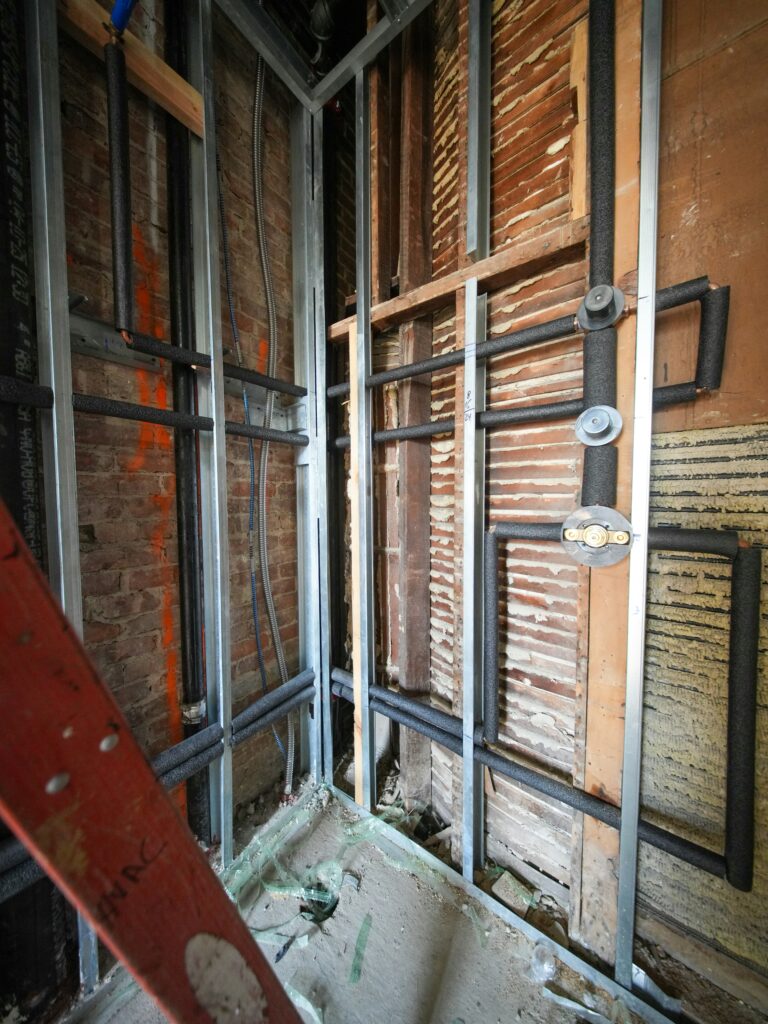
K Flex pipe insulation is specifically engineered to support high performance energy systems, including heat recovery applications. Manufactured from flexible elastomeric materials, K Flex insulation provides excellent thermal resistance while being easy to install around complex pipe layouts.
Its closed cell structure offers low thermal conductivity, helping to minimise heat loss and maximise the efficiency of heat recovery systems. In addition, K Flex insulation provides effective condensation control, which is particularly important in HVAC and ventilation heat recovery installations where temperature differentials can be significant.
Durability is another key advantage. K Flex pipe insulation is resistant to moisture, mould, and mechanical stress, ensuring long term performance with minimal maintenance. This makes it a reliable choice for both commercial buildings and demanding industrial environments.
Optimise Heat Recovery with K Flex
If you are investing in heat recovery systems, don’t let heat loss undermine your return. K Flex pipe insulation offers efficiency, reliability and long term savings.
Upgrade your heat recovery performance today by specifying K Flex pipe insulation—and ensure every unit of recovered heat is put to work. Head over to our K-flex product page to see the range of solutions we can equip you with today by clicking here.